
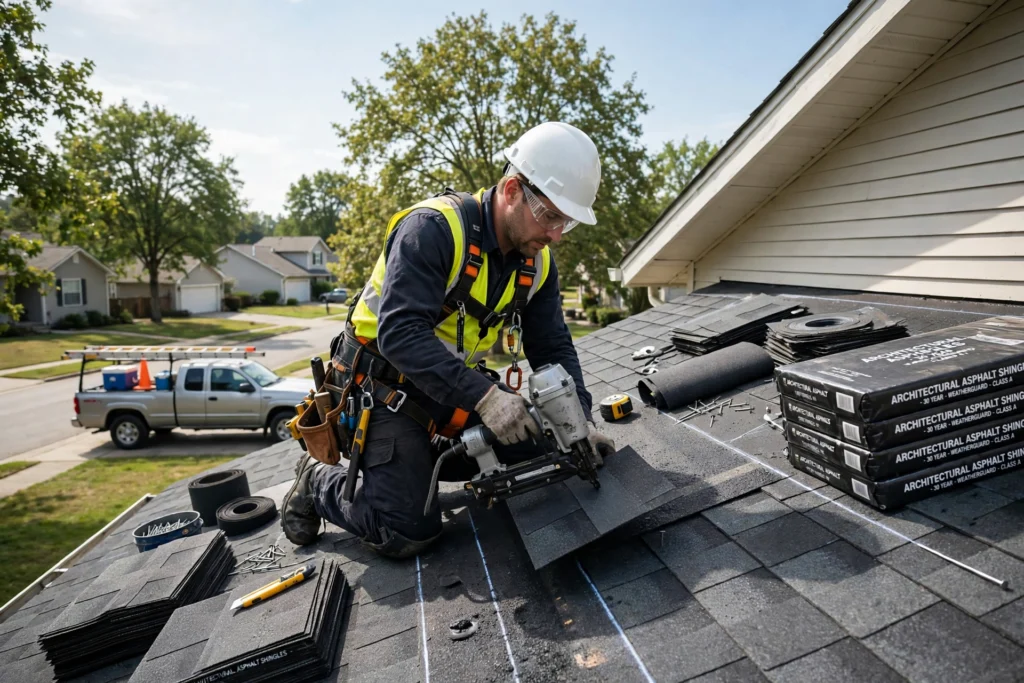
A roof repair in 2026 costs about $1,174 on average, with most homeowners paying between $395 and $1,967 for a typical professional job, according to Angi’s 2026 cost data drawn from nearly 33,000 verified projects. A small fix like resealing flashing can run a few hundred dollars, while major work involving deck damage or structural reinforcement can climb toward $8,000. Your final price depends mostly on what is broken, how large the damaged area is, and what your roof is made of.
Roof Repair Cost in 2026: Price Table
The figures below reflect published 2026 industry data from Angi and HomeGuide. They are national averages; local labor rates will move your quote up or down.
| Repair Type | Average Cost | Typical Low–High Range |
|---|---|---|
| Overall roof repair (national) | $1,174 | $395 – $1,967 |
| Minor shingle repair (few missing or cracked shingles) | $250 – $450 | $100 – $800 |
| Leak repair (minor, caught early) | $500 – $700 | $150 – $1,000 |
| Leak repair with interior water damage | $1,500 – $2,500 | $1,000 – $6,000+ |
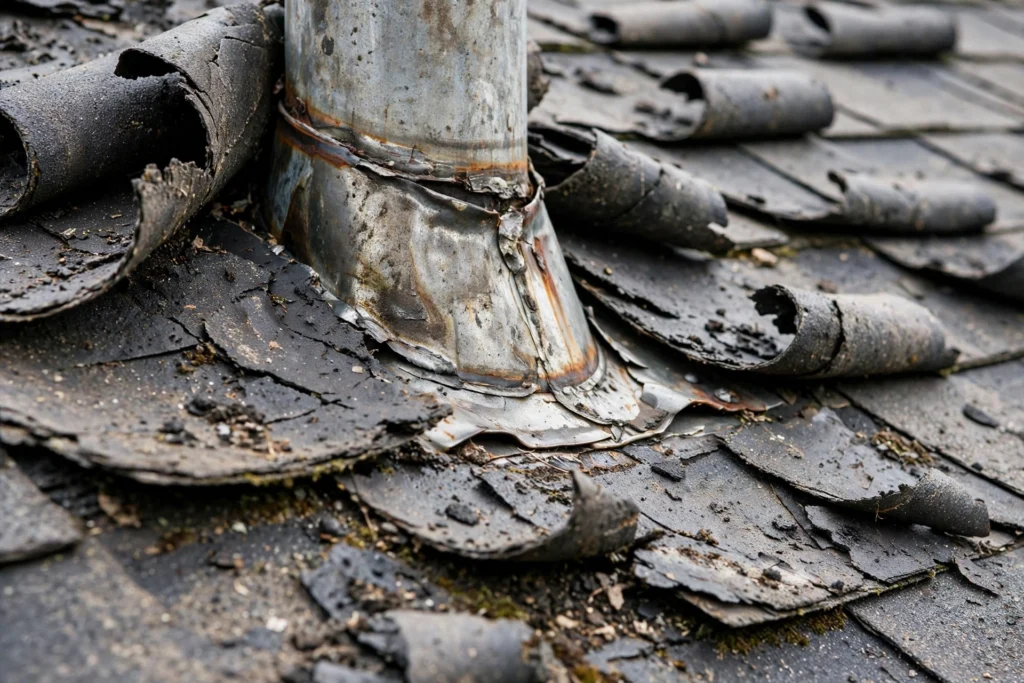
| Flashing replacement (chimney, vents, valleys) | $350 – $500 | $200 – $1,000 |
| Vent boot repair or replacement | $150 – $400 | $75 – $700 |
| Partial re-roofing (25%+ of roof surface) | $3,000 – $5,000 | $1,750 – $8,000+ |
Sources: Angi 2026 roof repair data (updated October 2026); HomeGuide 2026 roof repair cost guide. Most roofers charge a minimum service fee of $150–$300, so even a tiny job rarely costs less than that.
What Affects the Price of a Roof Repair?
1. Roofing material
Asphalt shingles are the cheapest to repair — the material is inexpensive and almost every roofer stocks it. Specialty materials cost more: metal, tile, wood shake, and slate need experienced hands and pricier materials. Angi’s 2026 material breakdown puts average repairs around $975 for asphalt shingles but $1,700 for metal and $1,800 for slate.
2. Roof pitch and accessibility
A steep roof takes longer to work on and requires extra safety equipment, which adds labor hours. A low, easily walkable roof is faster and cheaper to service. Multi-story homes also cost more because materials have to be carried up further. Simply put, the harder it is for a crew to reach the damage, the higher the bill.
3. Extent of the damage
This is the biggest cost driver. Replacing a dozen blown-off shingles is a half-day job. But if water has been soaking through for months, the plywood decking underneath may be rotted, insulation may be saturated, and rafters may be compromised — each layer adds hundreds or thousands of dollars. That is why roofers quote a leak repair anywhere from $150 for a quick patch to $6,000 or more when structural work is involved, per HomeGuide’s 2026 data.
4. Emergency vs. scheduled work
A tarp job at 10 p.m. during a storm costs far more than the same repair booked for next Tuesday. Industry guidance consistently notes that after-hours, weekend, and emergency-callout work carries a premium — often 25–100% above standard rates. If the damage is not letting water in right now, waiting for a regular appointment saves real money.
Money-Saving Tips for Roof Repairs
- Act fast on small problems. A curling shingle or a small drip caught early is a $150–$600 repair (per HomeGuide). Leave it for a season and you may be paying for decking and interior repairs instead.
- Get 2–3 written estimates. Quotes for the same job can vary by 30% or more between contractors. Make sure each one lists labor and materials separately so you can compare fairly.
- Schedule non-urgent repairs in the off-season. Roofers are busiest after storms and in late summer; booking in quieter months can mean better pricing and faster scheduling.
- Ask about partial repairs, not just full replacement. Some contractors lead with a replacement quote. If the damage is isolated to less than 25–30% of the roof and the roof is under 15–20 years old, a targeted repair is usually the smarter spend.
- Check your homeowner’s insurance first. If the damage came from a storm, fallen tree, or another covered event, your policy may cover most of the cost minus your deductible. Normal wear and tear is not covered, but sudden damage often is.
- Keep gutters and trees maintained. Clogged gutters push water back under the roof edge, and overhanging branches drop debris and damage shingles. A $200 gutter cleaning can prevent a $2,000 leak repair.
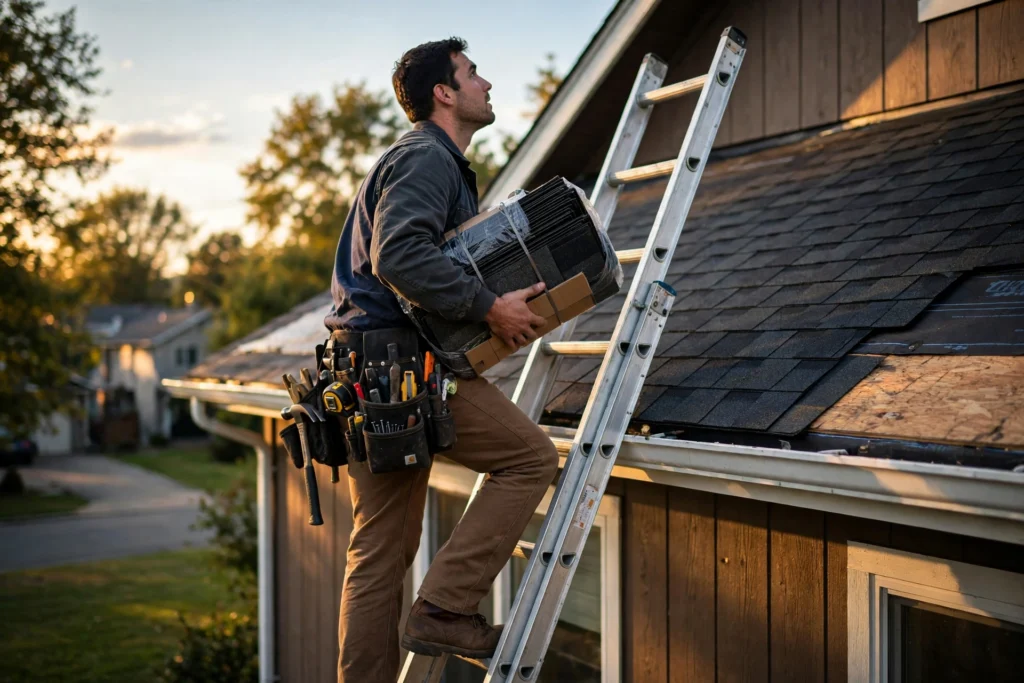
- Do the inspection, not the repair. You can safely spot problems from the ground or the attic — missing shingles, water stains, damp insulation — and hand the ladder work to a pro. DIY roof work is risky and can void material warranties.
Regional Notes: Where You Live Matters
Storm-prone states — Florida, Texas, Louisiana, Oklahoma, and the Gulf Coast generally — see higher repair frequency and often higher prices. Hurricane-season demand spikes, wind and hail damage are common, and building codes may require upgraded materials or fastening. After a major storm, be cautious: prices surge and traveling “storm chaser” contractors appear. Always verify a roofer’s local license and insurance before signing.
Northern states face their own costly problem: ice dams. HomeGuide puts ice-dam removal and the leak repairs behind it at $350 to well over $1,500. Good attic insulation and ventilation are the long-term fix and are far cheaper than repeated dam damage.
Mild climates — much of California, the Pacific Northwest, and the Southwest — tend toward the lower end of national ranges. Less freeze-thaw cycling and fewer severe storms mean roofs last longer and repairs are simpler, though intense sun and heat can dry out and crack asphalt shingles faster.
Repair vs. replacement: As a rule of thumb, repair when the damage covers less than 30% of the roof surface, the roof is under 20 years old, and the repair costs less than half of what a new roof would cost. Replacement starts to make sense when you have three or more leaks, widespread shingle damage, or repeated repairs that keep failing. If you are leaning toward replacement, read our full roof replacement cost guide for 2026 first — and if you are in Texas, check our Texas-specific roof replacement cost breakdown for state-level pricing.
Frequently Asked Questions
How much does it cost to repair a roof leak?
A minor leak caught early typically costs $150–$1,000, according to HomeGuide’s 2026 data, with the national average for leak-specific work around $900 per Angi. If water has already damaged the decking or interior, expect $1,000–$6,000 or more.
What is the average cost to replace a few missing shingles?
Replacing up to about 25 asphalt shingles usually costs $100–$300, while repairing a larger 100-square-foot section runs $350–$1,000. The price rises with premium materials like wood shake or slate.
How much does flashing repair cost?
Flashing repair typically costs $200–$500, per HomeGuide, and up to $1,000 if the flashing around a chimney, skylight, or valley needs full replacement. Since failed flashing is one of the most common causes of leaks, it is a repair worth doing promptly.
Does homeowner’s insurance cover roof repair?
Usually, yes — for sudden, accidental damage like a storm, falling tree, or hail. Insurance does not cover wear and tear, neglect, or an aging roof simply wearing out. Review your policy’s deductible and any wind/hail exclusions before filing a claim.
Can I repair my roof myself?
Minor tasks like applying sealant around a vent boot are within a handy homeowner’s reach, but anything involving heights carries serious fall risk and can void shingle warranties if done incorrectly. For safety and warranty protection, most repairs are better left to a licensed roofer.
A Final Note on These Prices
All figures in this guide are national estimates based on published 2026 industry data — your local market, roof material, and the specifics of the damage will move the final number. Always get 2–3 written quotes from licensed, insured local roofers before committing, and ask each one to break down labor and materials so you can compare like with like.