
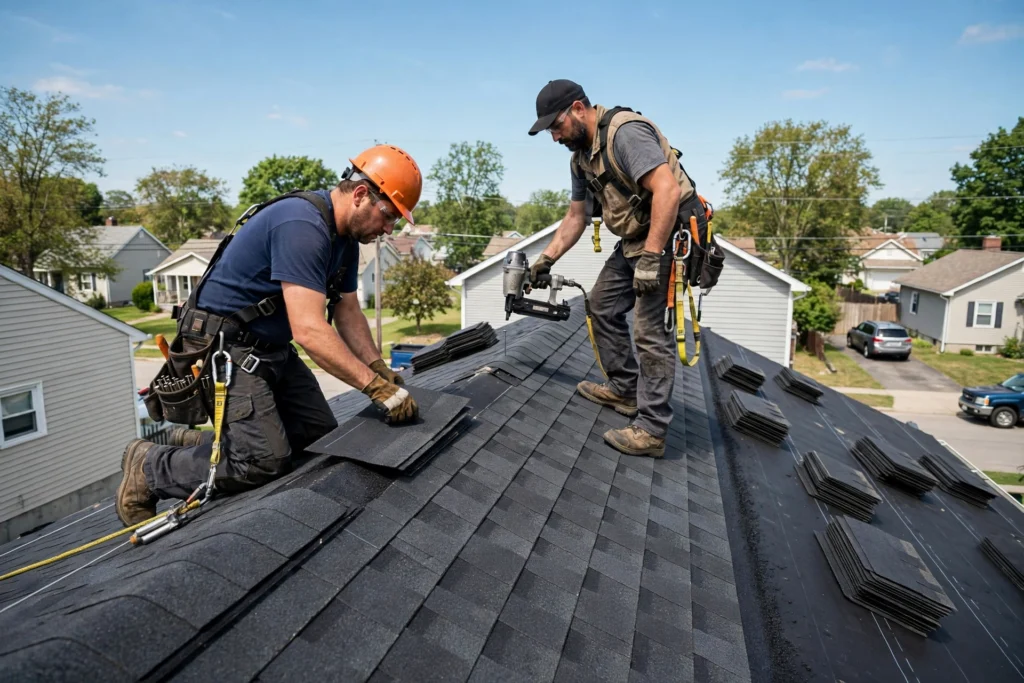
Quick answer: A full roof replacement in the United States costs about $9,600 on average in 2026, according to Angi’s 2026 national cost data, with most projects landing between $5,900 and $12,000. The complete national range runs from roughly $5,900 to $46,000 depending on roof size, material, pitch, and location.
A new roof is one of the biggest home improvement expenses most homeowners will ever face — and one of the most quote-dependent. Two neighbors with identical houses can get estimates thousands of dollars apart. This USA guide breaks down what roof replacement really costs in 2026, how materials and roof features move the price, and how to get a fair deal. The figures below reflect published industry data — chiefly Angi’s 2026 roof replacement guide — summarized here in our own words. Treat them as planning numbers, not quotes, and always collect two or three written estimates.
Roof Replacement Cost Table: 2026 Prices by Material
| Roofing Material | Average Cost (typical home) | Low Range | High Range | Typical Lifespan |
|---|---|---|---|---|
| Asphalt shingles (3-tab) | $8,500 | $5,900 | $11,000 | 15–25 years |
| Architectural shingles | $10,500 | $7,500 | $15,000 | 25–35 years |
| Metal roofing | $15,000 | $8,000 | $25,000 | 40–70 years |
| Wood shake / shingle | $12,000 | $7,000 | $20,000 | 20–40 years |
| Clay or concrete tile | $20,000 | $10,000 | $30,000 | 50+ years |
| Slate | $30,000 | $20,000 | $46,000 | 75–100+ years |
Table notes: National planning ranges based on Angi’s 2026 roof cost data and NerdWallet’s 2026 roofing guide; labor commonly runs $40–$90 per hour and typically accounts for more than half of the project total. “Typical home” assumes a roughly 1,500–2,000 sq ft roof with asphalt-grade complexity. Expect about $4–$11 per square foot for standard materials, more for premium materials and complex roofs.
Cost by Roof Size
Roofing is often quoted per “square” (100 square feet), but thinking in total square footage is more intuitive. Using standard materials at $4–$11 per square foot, a 1,000 sq ft roof typically costs $4,000–$11,000, a 1,500 sq ft roof $6,000–$16,500, a 2,000 sq ft roof $8,000–$22,000, and a 2,500 sq ft roof $10,000–$27,500 (figures per NerdWallet’s 2026 guide). Remember that your roof’s actual square footage is almost always larger than your home’s floor area because of pitch, overhangs, garages, and dormers — contractors measure the roof itself before quoting.
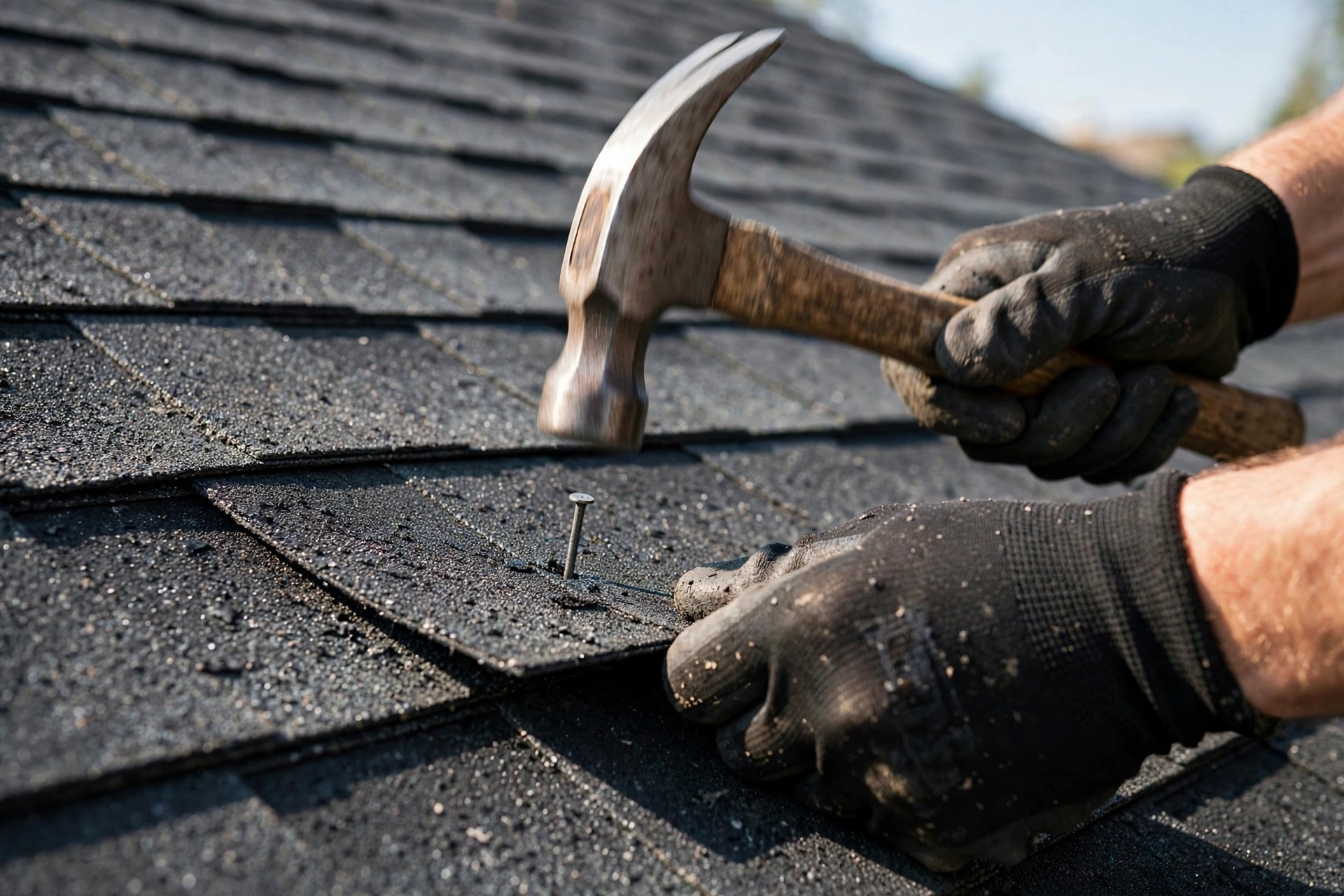
What Raises or Lowers the Cost of a Roof Replacement?
1. Roofing material
Material choice is the biggest single variable. Standard asphalt shingles are the budget option and cover most American homes. Stepping up to architectural (dimensional) shingles adds cost but also decades of curb appeal and lifespan. Metal costs roughly 1.5–2x asphalt but can last two to three times longer, while tile and slate are premium options that can triple the project price — and in some cases require structural reinforcement, adding still more.
2. Roof size
More square footage means more materials, more labor hours, and more dumpster space for debris. Because labor is such a large share of the bill, a 2,500 sq ft roof doesn’t just cost a little more than a 1,500 sq ft one — it can cost nearly twice as much.
3. Pitch and complexity
Steep roofs are slower and more dangerous to work on, so contractors charge more — sometimes 20–50% above a low-slope job. Multiple stories, valleys, dormers, chimneys, and skylights each add cutting, flashing, and waterproofing work that simple ranch-style roofs don’t need.
4. Removal of the old roof
Tearing off the old roof, hauling debris, and renting a dumpster typically adds $1,000–$3,000+ to the project. Some areas allow a second layer of shingles over the first (a “layover”), which saves tear-off cost — but it hides problems underneath, adds weight, and many manufacturers won’t warranty it. A full tear-off is the safer long-term choice.
5. Decking and structural repairs
Rotten or water-damaged roof decking discovered during tear-off must be replaced before new shingles go on, usually at $50–$100 per sheet of plywood plus labor. Older homes with sagging rafters or homes upgrading to heavy tile or slate may need structural work that adds thousands.
6. Permits, inspections, and warranties
Most municipalities require a roofing permit ($100–$500+), and the job may need one or two inspections. Extended manufacturer warranties and contractor workmanship warranties add peace of mind — and sometimes a modest premium. A leaking roof can also cause interior damage that spills into other trades; if water has reached pipes or walls, the average cost of a plumber in 2026 is a handy reference for budgeting the knock-on repairs.
How to Save Money on a Roof Replacement
- Time it for the off-season. Late winter and early spring are typically the cheapest times to book a roofer — crews are hungry for work and may discount 5–15% versus peak summer pricing.
- Get 2–3 itemized quotes. Quotes should separate materials, labor, tear-off, permits, and warranty line by line. A bid that’s dramatically lower than the others often means skipped steps, not efficiency.
- Stick with standard materials for standard homes. Architectural shingles offer the best value for most houses — a big step up from 3-tab without the premium-material price jump.
- Ask about manufacturer rebates. Shingle manufacturers periodically run rebates or upgraded-warranty promotions that can save hundreds.
- Check your insurance. If storm, hail, or wind damaged the roof, your homeowner’s policy may cover part or all of the replacement minus your deductible. Document damage with photos before repairs begin.
- Consider a layover only with eyes open. Installing over one existing layer saves tear-off costs, but only if the deck is sound and local code allows it — and it may shorten the new roof’s life.
- Bundle related work. If gutters, fascia, or skylight flashing also need attention, doing it during the roof job avoids paying for a second round of scaffolding and setup. Have questions about our guides? Contact us and we’ll point you in the right direction.
- Look into financing carefully. Many roofers offer financing; compare it against a home equity option or credit union loan rather than accepting the first offer.
Regional Notes: Northeast vs South vs West
Northeast: Roof replacements here tend to run above the national average. Higher labor rates, older housing stock (more decking repairs), and strict permitting in cities like Boston and New York push totals up. Ice-and-water shield along eaves is standard practice for freeze-thaw cycles, adding modest material cost.
South: The Southeast is one of the more affordable regions for standard asphalt jobs thanks to lower labor costs and year-round workable weather. The exception is hurricane-prone coastal areas — Florida and the Gulf Coast require wind-rated shingles, enhanced fastening, and strict building codes, which raise material and labor costs, especially for metal and tile systems designed to survive storms.
West: California and the Pacific Northwest run well above average on labor, so even a basic shingle job can land near the top of the national range. Wildfire-prone areas increasingly require Class A fire-rated roofing, which rules out wood shake and nudges homeowners toward asphalt, metal, or tile. In desert Southwest states like Arizona, tile roofs are common and competitively priced, while extreme heat shortens asphalt shingle life — making metal an increasingly popular long-term value play.
Frequently Asked Questions
How long does a roof replacement take?
Most residential replacements take 1–3 days for an average asphalt shingle roof on a straightforward home. Large, steep, or complex roofs — and premium materials like tile or slate — can take one to two weeks. Weather delays are the most common cause of overruns.
Should I repair or replace my roof?
Repair makes sense when damage is localized — a few missing shingles, one small leak, or flashing around a vent — and the roof is under 15 years old. Replacement is the better call when the roof is over 20 years old, shows widespread curling or granule loss, has multiple leaks in different areas, or sags. As a guideline, if repair estimates exceed 20–25% of the replacement cost, replace.
How long will a new roof last?
Asphalt shingles last 15–35 years depending on type and climate; metal roofs 40–70 years; tile 50+ years; and slate 75–100 years or more. Lifespan depends heavily on installation quality, ventilation, and climate — a cheap install in a harsh climate underperforms every published figure.
Does homeowner’s insurance cover roof replacement?
Insurance typically covers sudden, accidental damage — hail, windstorms, fallen trees, fire — minus your deductible. It does not cover wear and tear or an aging roof. Some policies pay actual cash value (depreciated) rather than full replacement cost, so read your policy before you need it.
When is the cheapest time of year to replace a roof?
Late winter through early spring is generally the cheapest window, when demand is lowest and contractors offer discounts. Late fall can also bring deals as crews try to fill schedules before winter. Summer is peak season and the priciest time to book.
The Bottom Line
Plan on roughly $9,600 for a typical American roof replacement in 2026, more for larger homes, steep pitches, and premium materials, and less for small, simple asphalt jobs. Choose the material that fits your climate and how long you plan to stay in the home, and never accept the first quote. These figures are estimates based on published national data — get 2–3 local quotes with itemized scopes of work before you sign anything. To learn more about our mission of honest home-service pricing, visit our about us page, and please read our disclaimer on pricing estimates.
Pingback: How Much Does a Roof Replacement Cost in Texas in 2026? – Home Service Cost Guide
Pingback: How Much Does Roof Repair Cost in 2026? – Home Service Cost Guide