
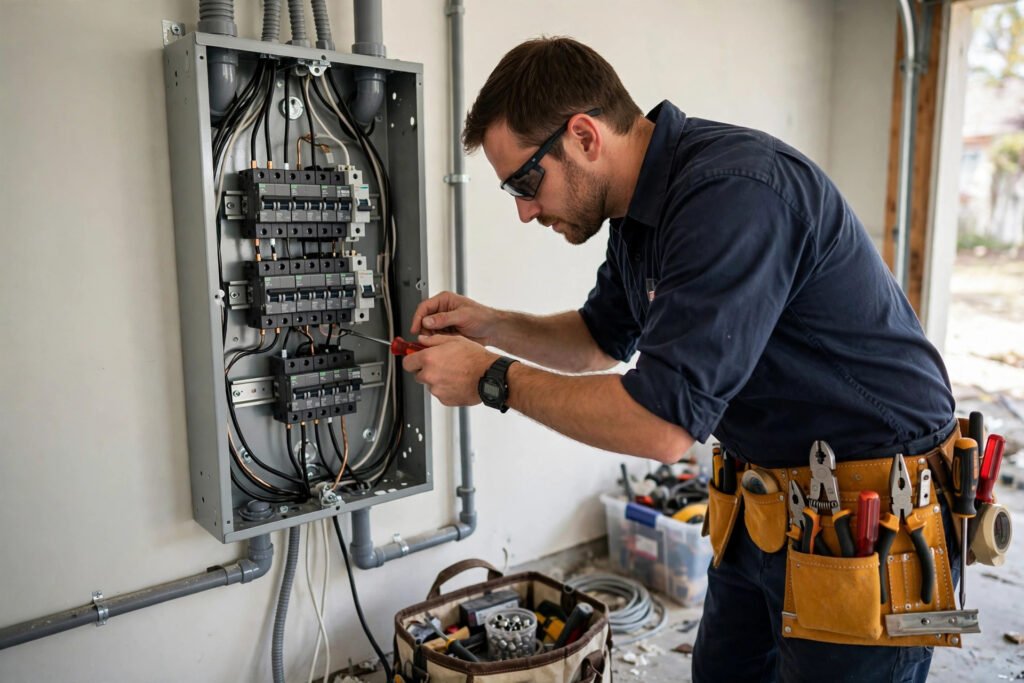
How much does an electrician cost in Texas in 2026? Most Texans pay $70 to $100 per hour for a licensed electrician, with a typical service visit costing between $194 and $617 once parts and labor are included. Small repairs like swapping an outlet can run under $150, while bigger projects such as a 200-amp panel upgrade usually fall between $1,300 and $3,000. If you only need one number to keep in mind: according to Angi’s 2026 figures, hiring an electrician in Houston averages about $388 per project.
Below you’ll find a full breakdown of what Texas homeowners actually pay in 2026, job-by-job, plus the factors that push your bill up or down and practical ways to keep costs in check.
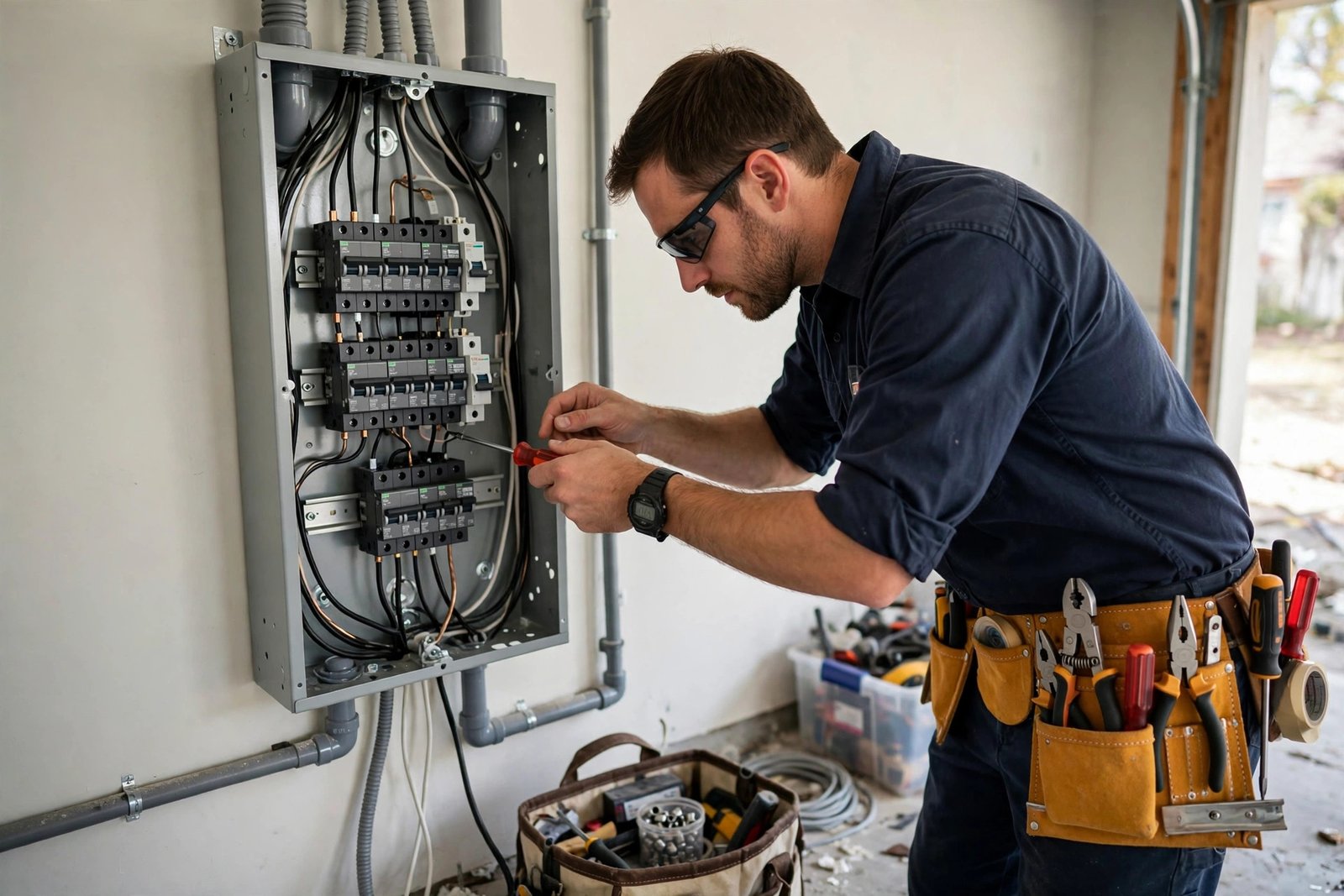
Electrician Costs in Texas at a Glance
These are the headline numbers for 2026, drawn from published national and Texas-specific cost data. Hourly rates vary by license tier — apprentices charge the least, journeypersons handle most residential work, and master electricians command the top rates.
| Cost element | Texas / U.S. range (2026) | Notes |
|---|---|---|
| Average hourly rate (Texas) | $70–$100/hr | State-level mid-range band reported for 2026; Houston averages closer to $45–$95/hr |
| Low–high range (national, per visit) | $163–$538 | Angi 2026 national figures for a typical electrician visit |
| Service call fee | $100–$200 | Usually covers travel, diagnosis and the first hour on site |
| Average cost per project | $351 national / $388 Houston | Angi 2026, based on tens of thousands of completed jobs |
| Emergency / after-hours premium | 1.5x–2x normal rate | Nights, weekends and holidays cost roughly twice the standard rate |
For more detail on how hourly pricing works nationwide, see our guide to electrician hourly rates in 2026.
Common Electrical Jobs and What They Cost in Texas
Most electricians price routine work as flat-rate jobs rather than billing by the hour, which is good news — you know the total before work begins. Here are typical 2026 prices for the jobs Texas homeowners book most often:
| Job | Typical cost | Typical time |
|---|---|---|
| Replace an existing outlet | $80–$200 | 30–60 min |
| Install a new outlet (with new wiring) | $150–$350 | 1–2 hours |
| Replace a light switch or dimmer | $80–$150 | 30 min |
| Install a ceiling fan | $200–$600 | 1.5–3 hours |
| Install a light fixture | $150–$500 | 1–2 hours |
| Replace a circuit breaker | $150–$300 | About 1 hour |
| 200-amp electrical panel upgrade | $1,300–$3,000 | 4–8 hours |
| Full service upgrade (100A to 200A) | $1,500–$4,500 | 6–10 hours |
| Level 2 EV charger installation | $1,000–$2,500 | 3–6 hours |
| Whole-house rewiring | $8,000–$20,000+ | 3–10 days |
The small-job figures above are compiled 2026 estimates from national cost guides; the panel-upgrade range is corroborated by Angi’s Houston-specific data, which puts an average panel replacement at about $1,364, with most projects between $606 and $2,152. For Texas EV owners, local installers’ figures line up with the national band: a straightforward Level 2 charger install in Dallas–Fort Worth runs about $900–$1,300 when the panel is in the garage, rising to $1,800–$2,400 for a standard run of 50–75 feet, according to Epic Electrical’s 2026 pricing. In Austin, DC Electric reports most installs landing between $1,000 and $2,500.
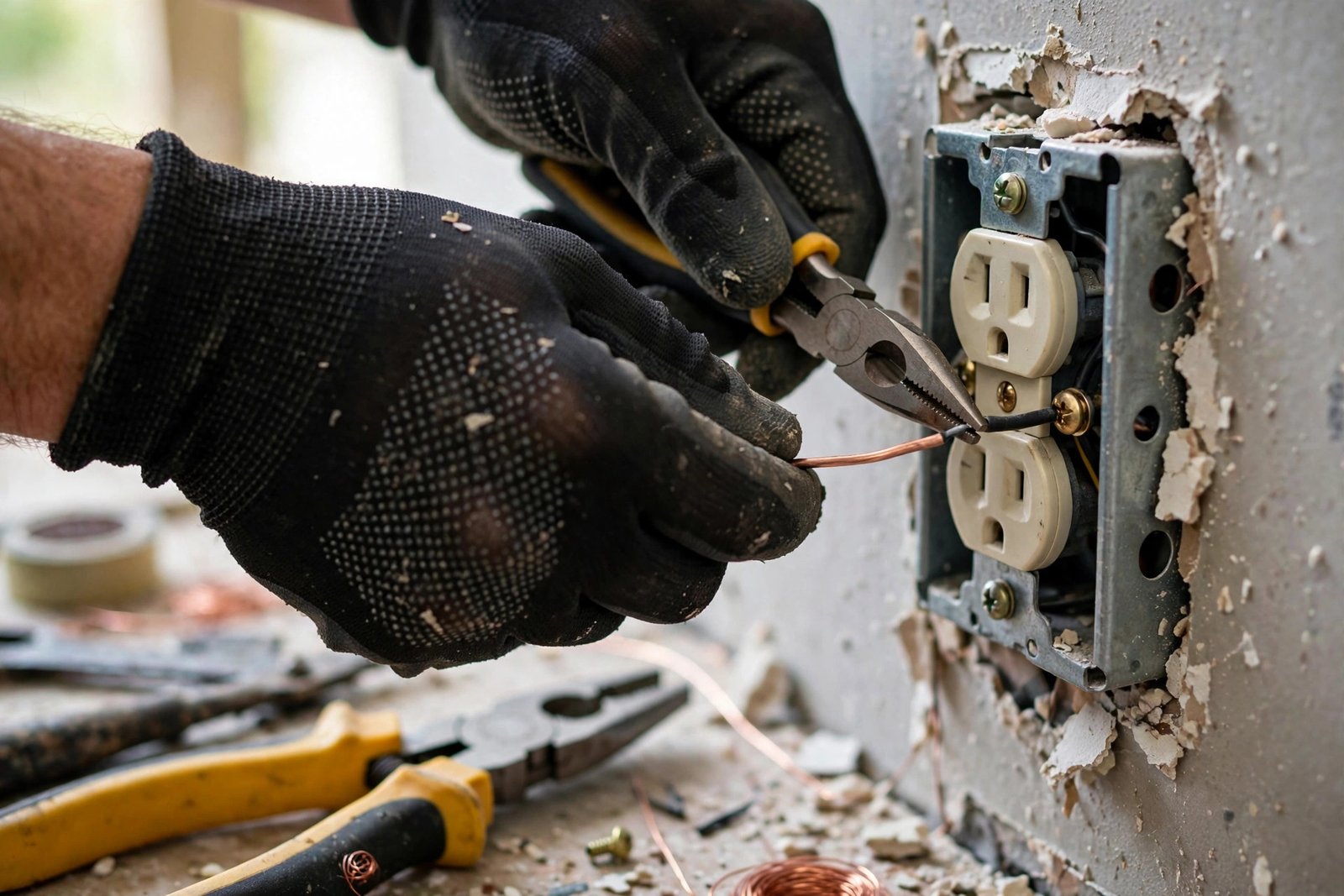
What Raises or Lowers Your Electrician Bill in Texas
Two Texas homes with the same problem can end up paying very different amounts. These are the levers that matter most:
1. The electrician’s license level
Texas licenses electricians through the Texas Department of Licensing and Regulation, in tiers: apprentice, journeyperson, and master. Apprentices bill the lowest rates, journeypersons handle most standard residential work, and master electricians — the highest credential — are typically needed for complex installations like panel upgrades and code-sensitive projects.
2. Whether new wiring is required
This is the single biggest driver of small-job prices. Replacing an existing outlet on a working circuit might cost $80–$200. Installing that same outlet where no wiring exists costs $150–$350, because the electrician has to fish wire through walls. If your walls are finished and there’s no easy access, expect more time — and more cost.
3. Panel capacity and age
Older Texas homes, especially pre-1980 builds in Houston and Dallas, often still run on 100-amp service. Add an EV charger, a central AC system, or an electric range to that, and there’s no room left. A full service upgrade ($1,500–$4,500) becomes part of the project. Some installers now recommend load management devices ($200–$500) from brands like Emporia or Span as a cheaper alternative when you only need to add one large load like an EV charger.
4. Permits and inspections
Texas cities require permits for panel work and most upgrades — in Houston, for example, the permitting center requires permits and inspections for electrical panel replacement. Permit fees vary by municipality but generally fall between $50 and $350, and many electricians roll them into the quote. Always ask whether permits are included.
5. Urgency and timing
Emergency electrical work in Texas costs roughly twice the standard rate, and many electricians charge an extra $150–$200 call-out fee for nights, weekends, and holidays.
6. Location: metro vs. rural Texas
Houston’s lower cost of living (about 7% below the national average) keeps rates gentler there, while Austin’s strong demand and growth can push toward the higher end. In rural Texas, trip charges of $40–$100 are common to cover the distance, and emergency response can take much longer than in a metro area.
How to Save Money on Electrical Work in Texas
- Bundle everything into one visit. Because of the $100–$200 service call fee and typical one-to-two-hour minimums, it’s far cheaper per task to stack up several small jobs — outlets, switches, fixtures — and do them all in a single appointment.
- Get three written quotes. Texas pricing varies widely between companies, especially for big-ticket work like panel upgrades. Three itemized quotes reveal who’s padding the estimate and who’s pricing honestly.
- Ask about load management before a panel upgrade. If your panel is nearly full, a $200–$500 load management device may let you add an EV charger without a $3,000+ panel replacement. Not every contractor will volunteer this option — ask directly.
- Buy fixtures and devices yourself. Electricians often mark up materials. Providing your own ceiling fan, fixtures, or dimmer switches (just confirm compatibility first) can shave real money off the bill.
- Skip the emergency call when you can. Unless there’s heat, smoke, a burning smell, or exposed live wire, an after-hours visit that costs double can usually wait until the next business day.
- Check the federal EV charger credit. The Section 30C credit covers up to 30% of residential EV charger installation costs (capped at $1,000), but it expires for property placed in service after June 30, 2026. If you’re adding a charger in Texas, timing the install before that deadline can meaningfully cut your net cost.
- Verify the license. Texas electricians must be licensed through TDLR. A legitimate licensed pro costs a little more than a handyman — but faulty electrical work is a leading cause of house fires, and in Texas, unlicensed panel work can also void your home insurance.
Texas Regional Notes
Dallas–Fort Worth
The metroplex is one of Texas’s most competitive electrical markets, which keeps pricing honest. Expect licensed labor around $100–$150 per hour, and a standard Level 2 EV charger install of $1,800–$2,400, per Epic Electrical’s published 2026 DFW figures.
Houston
Houston homeowners benefit from the city’s below-average cost of living. Angi’s 2026 Houston data puts the average electrician project at $388, ranging from $194 to $617, with hourly billing around $45–$95 — noticeably under the state band.
Austin
Rapid growth and strong EV adoption mean busy schedules and firmer prices. DC Electric’s 2026 Austin data puts typical EV charger installs at $1,000–$2,500, with complex jobs (long runs, detached garages, full panels) reaching $2,000–$4,500 or more. Book early; lead times are the hidden cost in Austin.
San Antonio, El Paso, and rural Texas
Rates in smaller cities track closer to the lower end of the national range. In rural areas, confirm the trip charge in writing before booking — a $40–$100 travel fee can turn a $150 job into a $250 one if you didn’t expect it.
Texas heat and the grid
Texas summers put heavy, sustained loads on home electrical systems thanks to air conditioning — which is why surge protection and panel health checks are especially worthwhile here. Homeowners running heavy AC systems should also budget for that equipment; our guide to AC repair costs in 2026 covers what cooling work runs these days. Similarly, if your panel or circuits are aging, the plumbing and other systems in older Texas homes often need attention too — see what a plumber costs in Texas for comparison.
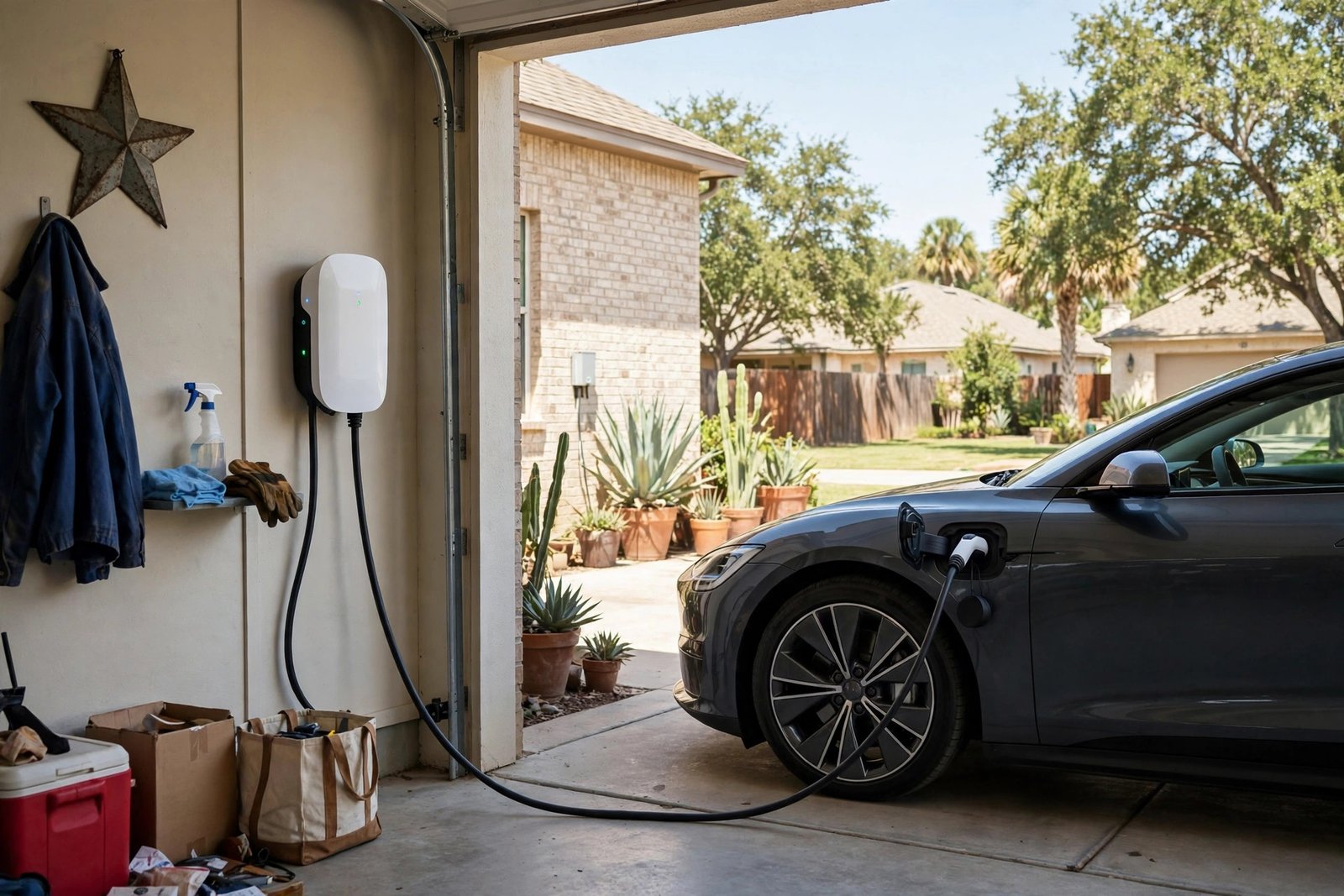
FAQs: Electrician Costs in Texas
How much does an electrician charge per hour in Texas in 2026?
Most licensed Texas electricians charge between $70 and $100 per hour in 2026, according to published state-level figures. In Houston, rates trend lower — about $45–$95 per hour. Keep in mind most electricians also charge a service call fee of $100–$200 that covers the first hour, plus a one-to-two-hour minimum on any visit.
How much does a 200-amp panel upgrade cost in Texas?
A 200-amp panel upgrade in Texas typically costs $1,300 to $3,000 nationally, and Angi’s Houston data puts the local average at about $1,364. A full service upgrade from 100-amp to 200-amp service runs $1,500–$4,500 and usually takes 6–10 hours, including permits and inspection.
Do I need a permit for electrical work in Texas?
For panel work, service upgrades, and most new wiring, yes — your city requires a permit and inspection (Houston’s permitting center, for example, requires both for panel replacement). Simple fixture or outlet swaps generally don’t. Permit fees typically run $50–$350. A reputable electrician handles the paperwork; if a contractor suggests skipping permits, that’s a red flag.
Why are emergency electricians so much more expensive?
After-hours calls cost roughly double standard rates because you’re paying for immediate availability — nights, weekends, and holidays come with $150–$200 extra call-out fees or hourly rates of $150–$250. If the issue isn’t dangerous, scheduling a regular appointment saves you a significant amount.
Should I hire an apprentice, journeyperson, or master electrician?
For standard residential work — outlets, switches, fixtures, ceiling fans — a licensed journeyperson is the sweet spot of skill and price. Apprentices cost less but must work under supervision, and master electricians (the most expensive tier) are the right choice for panel upgrades, rewiring, and anything involving the main service.
Prices on this page are 2026 estimates compiled from published industry sources including Angi, HomeGuide-derived figures, and Texas contractors — actual quotes will vary by city, home, and project. For any project over a few hundred dollars, get 2–3 written quotes from licensed Texas electricians (verified through TDLR) before you decide.