
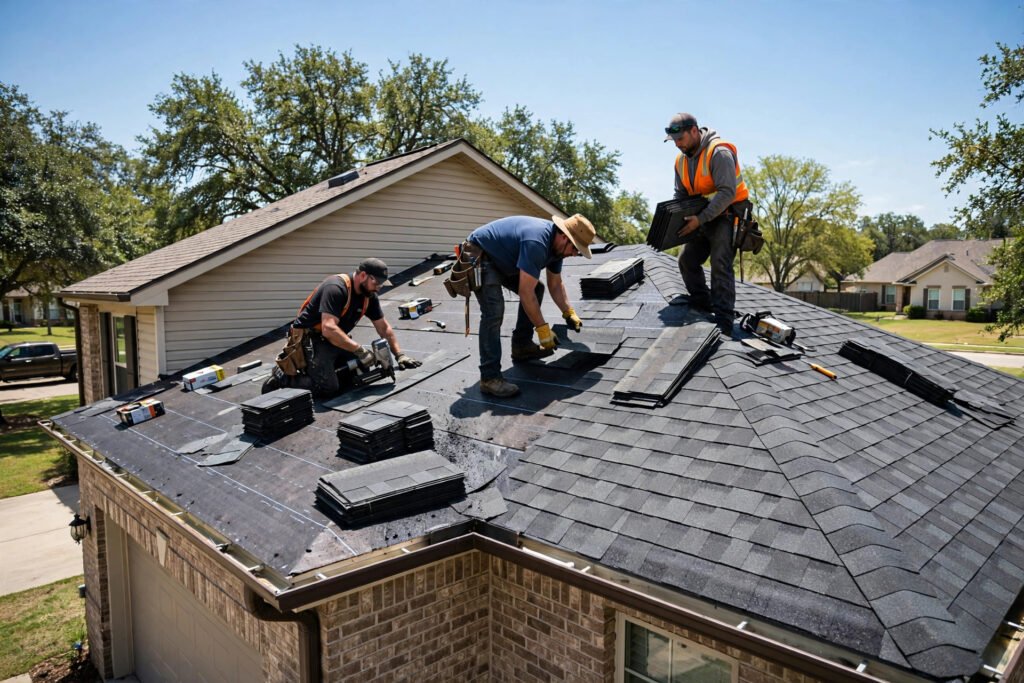
Short answer: In 2026, most Texas homeowners pay roughly $8,500 to $12,600 for a full roof replacement. Texas roofing cost guides put the statewide average for a standard 2,000-square-foot home at about $8,500 with architectural asphalt shingles, while broader data shows typical Texas projects falling between $6,500 and $21,000. Basic asphalt jobs on smaller homes can start near $5,500, but standing-seam metal or clay tile roofs on larger homes commonly run $20,000 to $45,000. Your final price comes down to roof size, pitch, material, whether the old roof must be torn off, and which Texas metro you live in — Dallas and Houston usually cost more than San Antonio or rural areas.
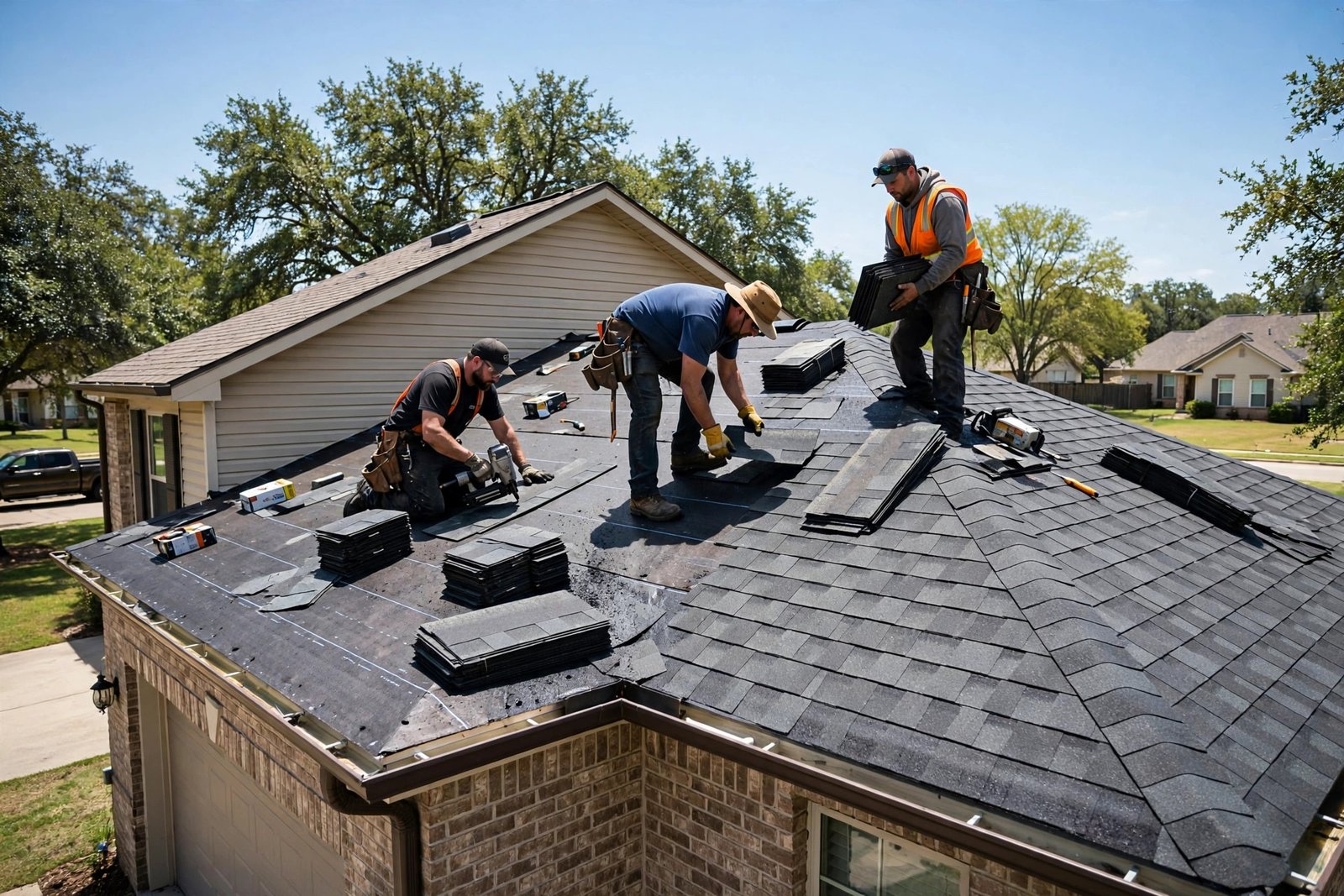
Roof Replacement Cost in Texas: 2026 Price Table
The table below summarizes what Texas homeowners can expect to pay in 2026, drawn from published 2026 cost data from Angi, HomeAdvisor, Forbes Home, and Texas-specific roofing guides. Nationally, Angi reports an average roof replacement cost of $9,609 (typical range $5,903 to $46,000), HomeAdvisor reports about $9,605 (typical range $5,900 to $13,371), and Forbes Home puts its average near $11,500. Texas tracks slightly below the national average for standard asphalt jobs, but premium materials can push well above it.
| Project Type | Average Cost | Low Range | High Range |
|---|---|---|---|
| Full replacement, architectural asphalt shingles (typical Texas home) | $8,500 – $12,600 | $5,500 | $21,000 |
| Full replacement, standing-seam metal | $23,000 – $30,000 | $10,000 | $45,000+ |
| Full replacement, clay or concrete tile | $25,000 – $35,000 | $15,000 | $45,000+ |
| Cost per square foot (asphalt, installed) | $3.50 – $7.00 | $3.50 | $11.00 |
| Tear-off and disposal of old roof | $1,500 – $4,500 | $1,000 | $4,500 |
| Roof inspection | $250 | $150 | $400 |
Texas city averages also vary: published 2026 guides report roughly $9,200 in Dallas, $9,500 in Houston, and $8,750 in Austin for a standard replacement, with San Antonio and smaller cities generally a bit lower.
Roof Replacement Cost by Material in Texas
Material choice is the single biggest lever on your final bill. Angi’s 2026 figures put asphalt shingle replacement at about $5,800 to $20,000 nationally, metal at $5,700 to $25,000, and clay or concrete tile at $8,500 to $26,400. In Texas specifically, installed costs tend to cluster like this:
| Material | Typical Texas Cost Range | Typical Lifespan | Best For |
|---|---|---|---|
| Architectural asphalt shingles | $5,500 – $12,000 | 15 – 30 years | Budget-conscious homeowners; by far the most common choice in Texas |
| Metal (standing seam) | $10,000 – $25,000 | 40 – 70 years | Long-term value, energy efficiency in Texas heat, hail resistance |
| Clay or concrete tile | $15,000 – $30,000 | 50+ years | Southwestern aesthetic, extreme durability, upscale homes |
| Natural slate | $20,000 – $40,000 | 75+ years | Luxury and historic properties |
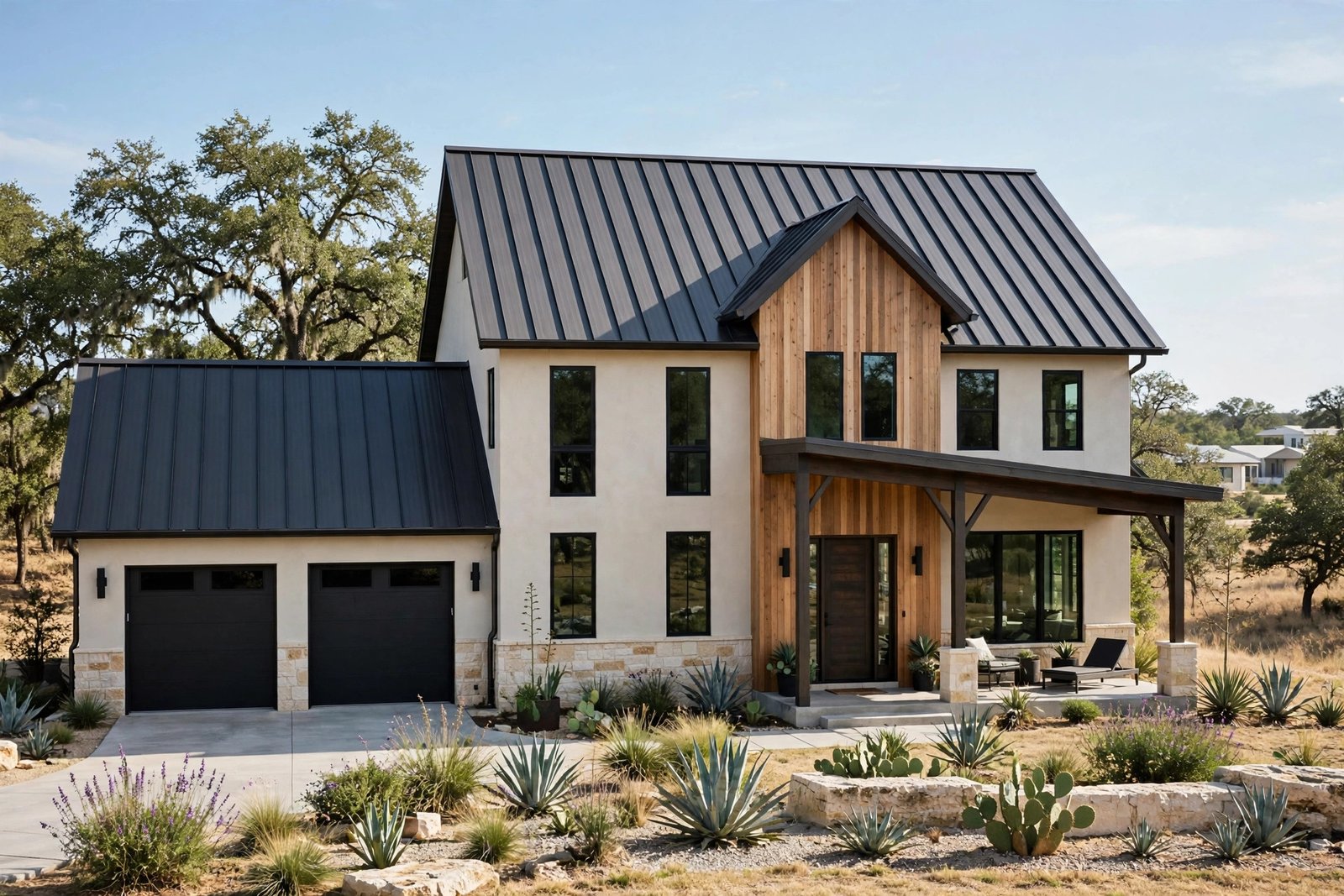
Asphalt shingles dominate Texas because they deliver the lowest upfront cost and handle the state’s weather reasonably well when installed properly. Metal roofing has been gaining ground fast: it reflects solar heat (which can trim summer cooling bills), shrugs off hail better than basic shingles, and can last two to three times longer. The catch is the upfront premium — expect to pay roughly double an asphalt job for standing-seam metal on the same house. Tile is a statement material common in South and Central Texas; it is heavy, so older homes may need structural reinforcement, which adds to the bill.
For the bigger national picture beyond Texas, see our national roof replacement cost guide.
Factors That Raise or Lower Your Roof Replacement Cost in Texas
1. Roof size and pitch
Roofers price partly by the “square” — 100 square feet of roof area. A 2,000-square-foot home often has 22 to 30 squares of actual roof once pitch, overhangs, and garages are counted. Steeper pitches cost more because crews work slower, need safety equipment, and waste more material on cuts. A steep, cut-up roof with dormers can cost 20 to 40 percent more than a simple gable roof of the same square footage.
2. Tear-off vs. overlay
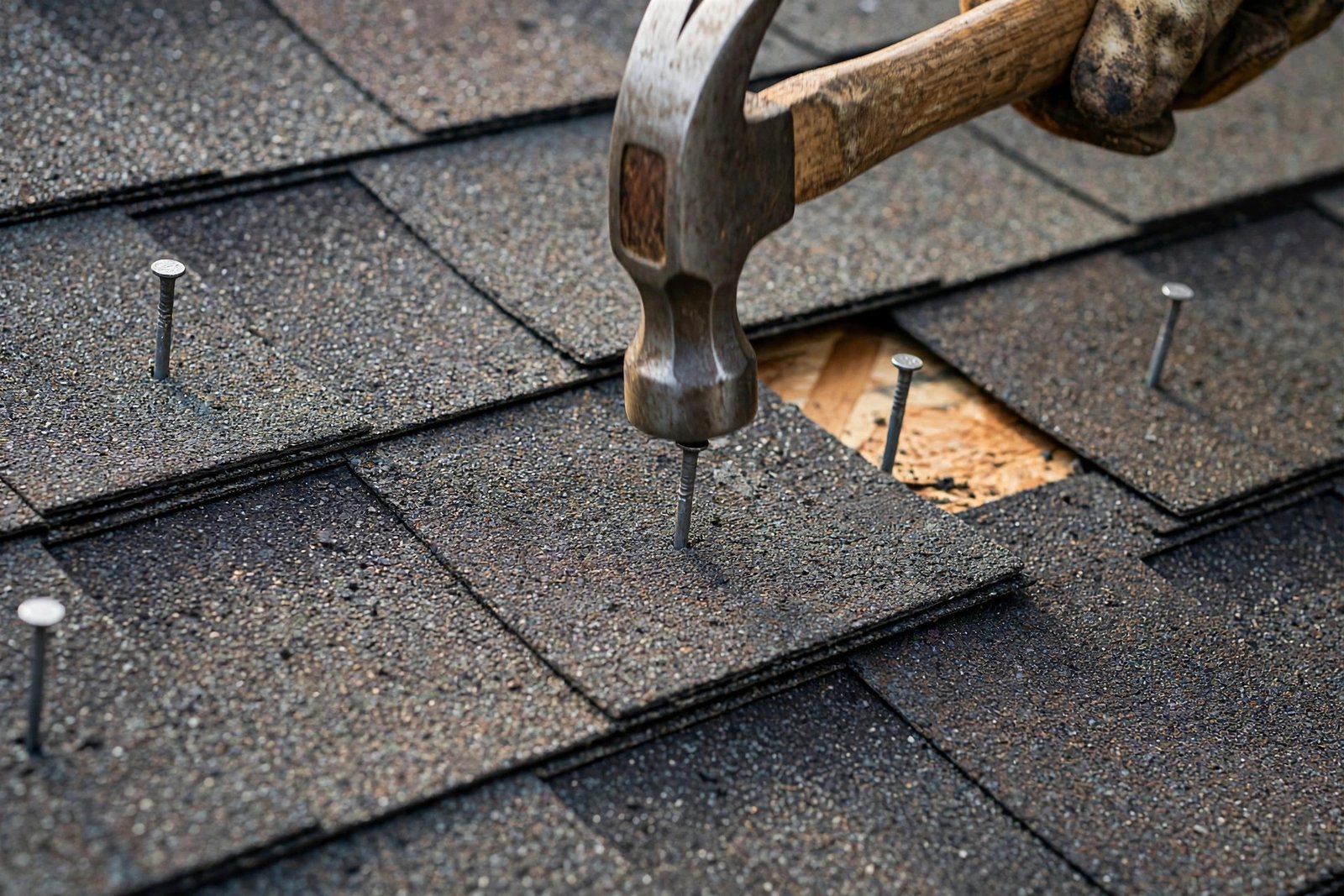
A full tear-off strips everything down to the deck so the crew can replace rotted plywood, lay fresh underlayment, and reset flashing. An overlay (laying new shingles over one existing layer) skips the tear-off and saves roughly $1,000 to $3,000. The trade-offs are real: the deck stays hidden, trapped heat can shorten shingle life, and Texas building codes based on the International Residential Code generally allow a maximum of two shingle layers. Most manufacturer warranties also require a tear-off, so the cheaper option can cost you coverage.
3. Decking repairs and underlayment
Once the old roof comes off, contractors may find rotted or water-damaged plywood that must be replaced — often priced per sheet. This is one of the most common sources of “surprise” charges, which is why a written contract should state the per-sheet decking price in advance. Upgrading to synthetic underlayment or adding ice-and-water shield in valleys also adds a few hundred dollars but pays off in leak protection.
4. Your metro area
Labor is the other 40 to 45 percent of a typical job, and it varies across Texas. Dallas, Houston, and Austin command premium rates; San Antonio, El Paso, and rural markets run lower. Gulf Coast homes also face stricter windstorm building requirements, which add material and inspection costs.
5. Hail and wind upgrades
Class 4 impact-resistant shingles cost more upfront — roughly $14,500 to $24,000 installed on a standard home in Texas — but they are the single most popular upgrade in hail-prone North Texas. Many insurers offer meaningful premium discounts for them, which can pay back the difference over several years.
How to Save Money on a Roof Replacement in Texas
- Get at least three itemized quotes. Make sure each one lists tear-off, decking price per sheet, underlayment type, flashing, ventilation, permits, and cleanup separately. Quotes that differ by thousands usually differ in scope, not just price.
- Time it for the shoulder seasons. Late fall and winter are typically slower for Texas roofers, and some contractors offer better pricing to keep crews busy. Avoid scheduling right after a major hailstorm, when demand spikes.
- Consider Class 4 impact-resistant shingles. The upfront premium is often offset by homeowners insurance discounts — ask your insurer for the exact discount before you choose.
- Don’t pay for work twice. If your roof is near the end of its life and you are planning solar panels or skylights, coordinate the projects. Removing and reinstalling panels for a later re-roof is expensive.
- Keep up with maintenance. Annual inspections (typically $150 to $400), cleared gutters, and prompt repair of lifted shingles or damaged flashing can add years to a roof’s life and delay the big bill.
- Check permits and HOA rules first. Most Texas cities require a permit for a full replacement, and many HOAs dictate approved colors and materials. Finding out mid-project causes delays that cost money.
Texas-Specific Notes: Hail, Heat, and Insurance
Texas is one of the toughest states in the country for roofs. The Dallas–Fort Worth metroplex and Central Texas sit in what roofers call hail alley, and Texas leads the nation in hail damage claims most years. Intense UV and summer heat also bake asphalt shingles, which is why Texas roofs typically last 15 to 25 years rather than the 30 years the same shingle might deliver in a milder climate.
Insurance is where Texas gets especially tricky. After a hailstorm, many homeowners assume insurance will cover a full replacement — and it often does for sudden storm damage — but there are catches. Many Texas policies switch older roofs (often 15 to 20 years) from replacement-cost coverage to actual-cash-value coverage, which pays only the depreciated value. Also note Texas House Bill 2102: it is illegal for a roofing contractor to cover or “eat” your insurance deductible, so be wary of any contractor who offers to.
If you are filing a hail claim, document everything with dated photos, get a contractor’s inspection report, and file promptly. And if you are planning other home upgrades around the same project — say plumbing reroutes for a remodel or new attic wiring — check our guides to plumber costs in Texas and electrician costs in 2026 so you can budget the whole project at once.
Frequently Asked Questions
How long does a roof last in Texas?
Typically 15 to 25 years for architectural asphalt shingles, according to Texas roofing guides — shorter than in milder states because of UV exposure, heat, hail, and high winds. Metal roofs last 40 to 70 years, and clay or concrete tile can exceed 50 years. Proper attic ventilation is one of the biggest factors in reaching the upper end of those ranges.
Will homeowners insurance pay for a new roof in Texas?
Often yes for sudden storm damage like hail or wind, minus your deductible — but coverage narrows as roofs age. Many insurers move roofs older than 15 to 20 years to actual-cash-value payouts, which reflect depreciation rather than full replacement cost. Wear and tear or neglect is generally not covered. Review your policy’s roof schedule before you need it.
Is it cheaper to install new shingles over the old ones?
Yes — an overlay saves roughly $1,000 to $3,000 by skipping tear-off and disposal. But it is only allowed over a single existing layer, it hides deck damage, the extra layer traps heat, and most shingle manufacturer warranties require a full tear-off. For most Texas homes, a tear-off is the better long-term value.
What is the cheapest roof replacement option in Texas?
Three-tab or basic architectural asphalt shingles on a simple, walkable-pitch roof — often starting around $5,500 to $7,000 for a smaller home, or roughly $3.50 to $5.50 per square foot installed in Texas. That said, the cheapest bid is rarely the cheapest roof over its lifetime; poor installation fails early in Texas weather.
When is the best time of year to replace a roof in Texas?
Late fall through winter is usually ideal: milder temperatures are easier on crews and materials, and demand (and sometimes pricing) dips outside storm season. Avoid the weeks right after a major hail event, when reputable contractors are booked out and prices peak.
All prices in this guide are estimates based on published 2026 industry data (Angi, HomeAdvisor, Forbes Home, and Texas roofing cost guides) and will vary by home, contractor, and location. For an accurate figure, get 2–3 written quotes from licensed local roofing contractors and compare the full scope — not just the bottom line.